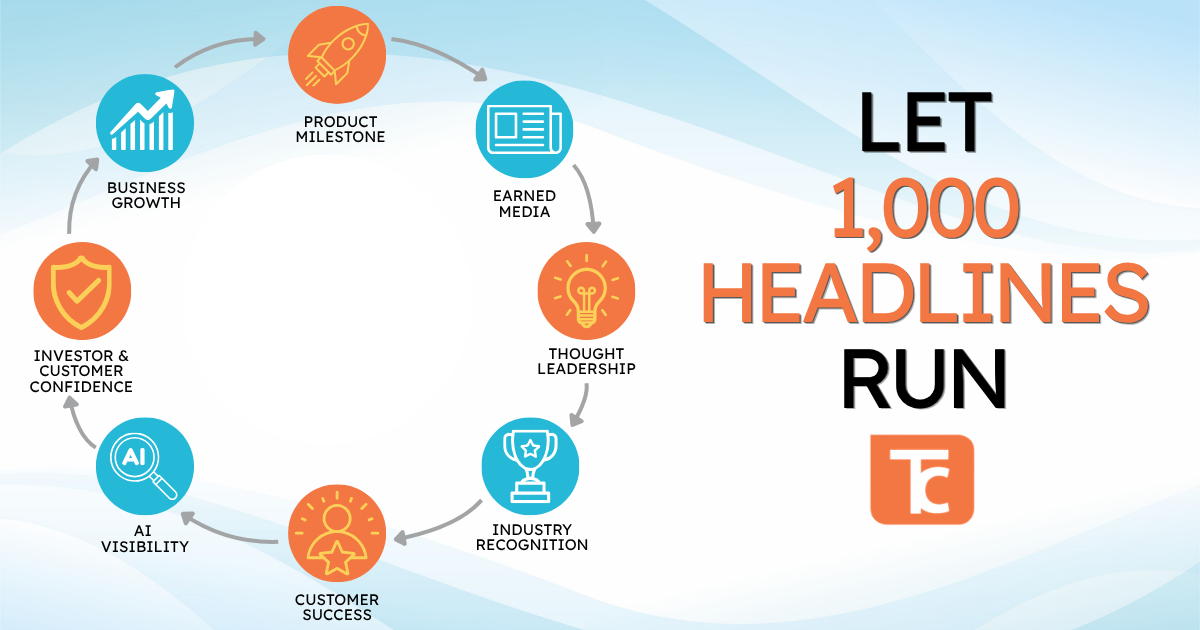
How Brands Get AI Visibility
For decades, companies have looked at word of mouth as one of the most powerful forms of marketing and communications. People trust recommendations from friends, colleagues, industry peers, and subject matter experts far more than they trust advertisements. Today, a new form of word-of-mouth is emerging.
Increasingly, people are asking ChatGPT, Gemini, Claude, Perplexity, and other AI systems for recommendations, explanations, vendor evaluations, and purchasing guidance. Instead of asking a colleague, users may ask:
- Who has the best and most cost-effective heat pump?
- What are the leading virtual power plant providers?
- Which software platforms are best for energy management?
- How should my startup prepare for fundraising?
The answers these systems provide are beginning to influence buying decisions, investment research, vendor selection, and market awareness.
This shift has created AI visibility, what we at Technica Communications call AI word-of-mouth.
What Is AI Word of Mouth?
AI word-of-mouth is the process by which artificial intelligence systems recommend, reference, mention, compare, or cite companies, products, services, people, and ideas in their responses to user questions.
Much like traditional word of mouth, these recommendations are often perceived as more trustworthy than advertisements because they appear as independent guidance rather than promotional messaging.
Unlike traditional word of mouth, however, AI systems generate recommendations based on a combination of:
- Training data
- Search results
- Third-party media coverage
- Industry publications
- Company websites
- Research reports
- User-generated content
- Structured data and knowledge sources
As a result, AI word of mouth is not controlled by any single company. It is earned through visibility, credibility, and authority across the broader information ecosystem.
Why AI Visibility Matters
Historically, search engines provided users with a list of links and left it to individuals to decide which sources to trust.
AI systems are increasingly doing part of that evaluation process for users.
Instead of presenting ten links, AI may provide:
- Three recommended vendors
- Five companies to watch
- A summary of the leading approaches
- A list of industry experts
- A direct answer to a question
In many cases, users never leave the AI interface. The recommendation itself becomes the first impression.
For companies operating in competitive markets, being included in these recommendations may become just as important as ranking on the first page of Google.
How AI Word-of-Mouth Differs from Traditional SEO
Search engine optimization primarily focuses on improving visibility in search engine results pages.
AI visibility involves a broader set of signals.
| Traditional SEO | AI Word-of-Mouth |
| Focuses on rankings | Focuses on recommendations |
| Optimizes for clicks | Optimizes for mentions and citations |
| Relies heavily on keywords | Relies heavily on authority and associations |
| Success measured through traffic | Success measured through visibility and influence |
| User evaluates results | AI helps evaluate results |
This does not mean SEO is becoming irrelevant. In fact, strong search visibility often supports AI visibility. However, companies increasingly need to think beyond rankings and consider how AI systems understand their expertise.
What Influences AI Recommendations?
While AI systems operate differently, several common factors appear to influence recommendations.
1. Third-Party Validation
Media coverage remains one of the strongest credibility signals available. When respected publications repeatedly mention a company alongside a specific topic, AI systems are more likely to associate that company with the subject.
For example:
- A company frequently quoted on battery storage becomes associated with it.
- A firm that repeatedly features discussions of startup communications is associated with public relations expertise.
Third-party validation helps establish authority.
2. Consistent Topic Ownership
AI systems build associations between brands and ideas. The more consistently a company appears alongside a topic, the stronger that relationship becomes. Examples include:
- Data center infrastructure
- Home electrification
- Virtual power plants
- Climate investing
- Emerging technology communications
Companies that consistently publish content around specific themes often become easier for AI systems to recognize and recommend.
3. Structured Content
AI systems frequently extract information from content. Clear headings, definitions, lists, frameworks, FAQs, and concise explanations make content easier to interpret and reuse.
Content that directly answers questions often performs particularly well.
4. Authority Across Multiple Channels
AI systems do not rely on a single source.
They often evaluate information from multiple places, including:
- News coverage
- Company websites
- Podcasts
- Industry events
- Conference presentations
- Research publications
- Social media
- Visibility across channels helps reinforce credibility.
Why Public Relations Matters More Than Ever
Public relations may be one of the most effective tools available for influencing AI recommendations.
PR helps generate many of the signals AI systems rely on:
- Media mentions
- Thought leadership
- Expert commentary
- Industry recognition
- Award wins
- Speaking engagements
- Analyst relationships
These activities create a digital footprint that extends well beyond a company website.
Every article, interview, panel discussion, and byline contributes to the broader narrative AI systems use to understand a brand.
A Real-World Example: How Earned Media Influenced AI Visibility
Many AI systems appear to rely heavily on the same authority signals that have long influenced human perception: earned media coverage, third-party validation, and consistent messaging.
A recent campaign conducted by Technica for home electrification company Jetson provides an example.
Ahead of the launch of Jetson Air, the company faced several challenges common to emerging technology brands. Market awareness was limited, credibility had not yet been established at scale, and consumers remained skeptical about heat pump technology and home electrification.
The communications strategy focused on securing credible third-party coverage, aligning Jetson’s story with broader electrification trends, and consistently communicating the company’s value proposition through earned media.
Within weeks of launch, AI-generated search results began reflecting the campaign’s core messaging. Analysis showed that the AI systems citing information about Jetson were drawing directly from articles generated during Technica’s launch campaign, demonstrating how earned media can shape not only public perception but also how AI systems understand and describe a company.
Before companies can influence AI recommendations, they often need to build the authority signals that AI systems rely upon. In many cases, those signals originate from public relations, media coverage, and third-party validation rather than technical optimization alone.
The Rise of AI Reputation
A company’s reputation is no longer limited to what customers, investors, and reporters think. Organizations must also consider how AI systems perceive them.
Questions worth asking include:
- What topics does AI associate with our company?
- Does AI understand our value proposition?
- Are competitors recommended before us?
- What sources does AI cite when discussing our market?
- Which publications most influence AI visibility?
Organizations that fail to manage these perceptions may find themselves becoming invisible during critical buying and research processes.
Common Mistakes Companies Make
Treating AI Visibility as a Technical SEO Problem
Technical optimization matters, but credibility cannot be engineered solely through metadata and keywords. Authority is earned.
Publishing Generic Content
AI systems are increasingly saturated with generic content. Original insights, proprietary observations, and real-world experience stand out.
Ignoring Media Relations
Many of the strongest signals AI systems evaluate originate from third-party sources. Companies that neglect earned media may struggle to establish authority.
Chasing Every Trend
Companies often gain more visibility by owning a small number of topics rather than commenting on everything. Consistency matters.
How Companies Can Improve AI Word-of-Mouth
Organizations looking to strengthen AI visibility should focus on:
- Developing clear topic ownership.
- Earning consistent third-party coverage.
- Publishing educational content that answers common questions.
- Contributing original insights and observations.
- Participating in industry conversations.
- Building authority across multiple channels.
- Monitoring how AI systems describe and recommend their organization.
The goal is not to manipulate AI systems. The goal is to become the most credible and useful source of information in your area of expertise.
The Future of Brand Visibility
The transition from search engines to AI assistants represents one of the largest shifts in digital discovery since the rise of Google.
People are increasingly asking AI systems to help them understand industries, evaluate vendors, identify experts, and make decisions.
As a result, visibility is no longer measured solely by website traffic.
It is increasingly measured by whether AI systems recognize, recommend, and reference your organization when those conversations occur.
Companies that build credibility, earn authority, and consistently contribute valuable insights will be positioned to benefit from this shift.
The future of word-of-mouth may not happen around conference tables, in email threads, or over coffee. Increasingly, it may happen inside an AI prompt.
AI Word-of-Mouth FAQ
What is AI word-of-mouth?
AI word-of-mouth is the process by which AI systems such as ChatGPT, Gemini, Claude, and Perplexity recommend, mention, compare, or cite companies, products, services, and experts in response to user questions. Similar to traditional word-of-mouth, these recommendations can influence purchasing decisions, vendor evaluations, and brand perception.
How do AI systems choose which companies to recommend?
AI systems evaluate information from multiple sources, including news articles, company websites, research reports, industry publications, podcasts, social media, and other publicly available information. While each platform operates differently, companies with strong authority, consistent topic ownership, and frequent third-party validation are more likely to be recommended.
What is the difference between an AI mention and an AI citation?
An AI mention occurs when a company, product, or person is referenced in an AI-generated response. An AI citation occurs when the AI identifies a specific source to support or validate information in its answer. A company can be mentioned without being cited, and cited without being directly recommended.
Can public relations improve AI visibility?
Yes. Public relations helps generate many of the signals AI systems use to evaluate authority and expertise, including media coverage, thought leadership articles, speaking engagements, interviews, awards, and expert commentary. Strong PR programs can increase the likelihood that AI systems associate a company with specific topics and industries.
How can startups increase their AI visibility?
Startups can improve AI visibility by consistently publishing educational content, earning third-party media coverage, developing expertise around specific topics, participating in industry conversations, and building a strong digital footprint across multiple channels. The goal is to become a recognized authority rather than simply increasing content volume.
Is AI visibility replacing SEO?
No. SEO remains important because AI systems often retrieve information from search engines and search indexes. However, AI visibility expands beyond rankings and requires companies to focus on authority, credibility, and topic ownership in addition to traditional search optimization.
What industries are most affected by AI recommendations?
Industries with complex buying decisions are already seeing increased influence from AI recommendations. These include software, energy, climate technology, healthcare, financial services, manufacturing, cybersecurity, infrastructure, and professional services. As AI adoption increases, nearly every industry is likely to be affected.
How can companies measure AI visibility?
Organizations can monitor whether AI systems mention their company, cite their content, recommend them relative to competitors, accurately describe their services, and associate them with target topics. Tracking both mentions and citations provides a more complete understanding of AI visibility.