
DISTRIBUTECH 2025 Recap: Drones, AI and SWAG, oh My!
After several high-energy days at DISTRIBUTECH 2025 in Dallas, I left the convention floor feeling sympathy for the analysis paralysis utility decision-makers must feel as they attempt to upgrade their grid operations for the 21st Century without defaulting on their basic commitments to safety and consistent services to their ratepayers. Each year, DTECH, as it is known, brings everyone from power pole suppliers to those selling satellite imagery services and everyone in between.
At Technica, we believe storytelling is the lever that moves markets. So here are a few takeaways from the show about what resonated, what fell flat, and how companies in the cleantech and utility space can craft narratives that genuinely break through.
A Sea of Sameness
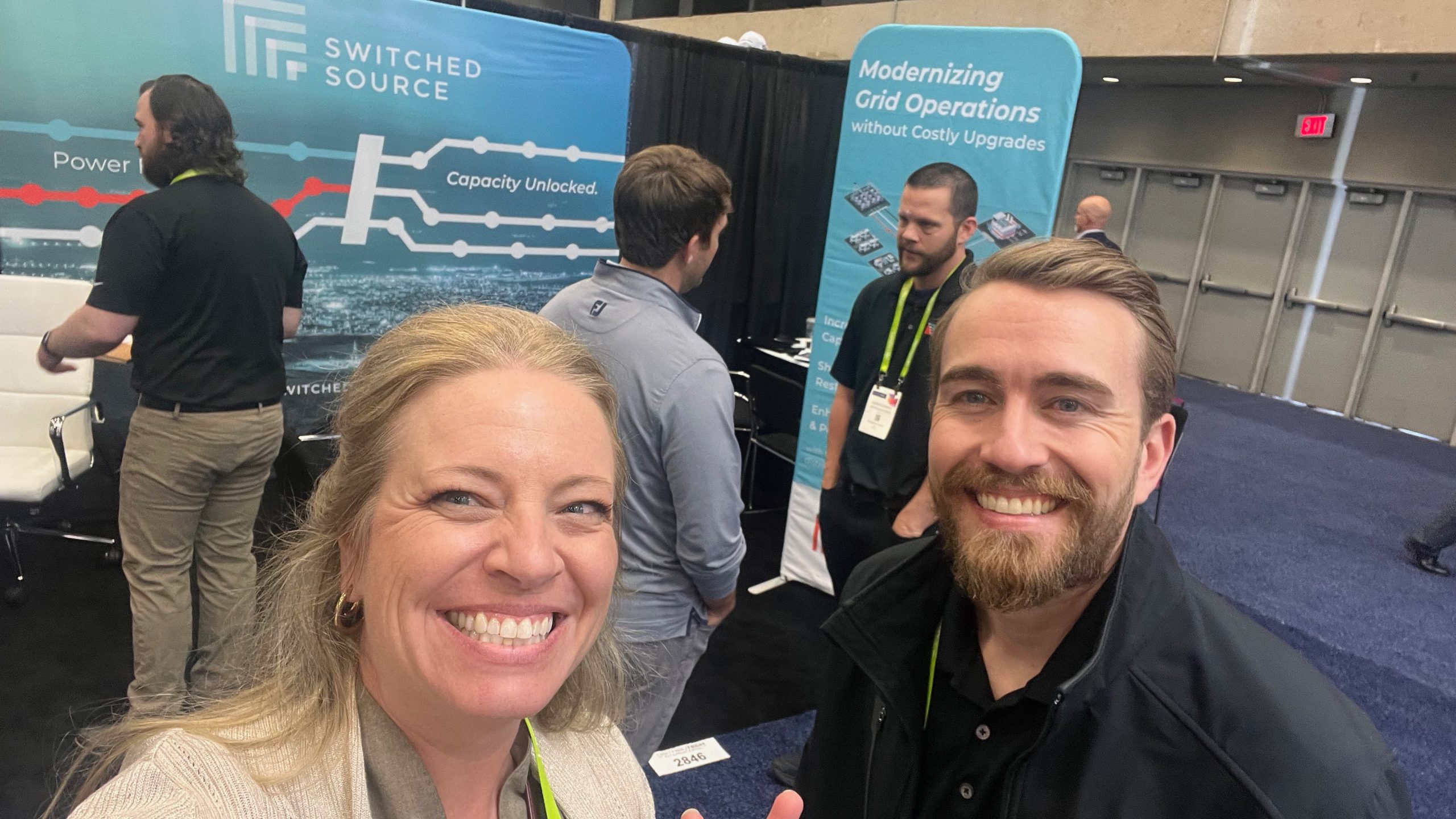
Walk the floor at DISTRIBUTECH this year, and you’d be forgiven for thinking you’d heard the same pitch five times in a row. Nearly every fire prevention monitoring and aerial inspection company claims to offer “real-time insights,” “edge intelligence,” or “critical decision support.” And yet, few could clearly articulate how their offering was meaningfully different—or why a utility should choose them over the next booth. Technica calls this the “message fog” or “analysis paralysis.” And the solution isn’t more data—it’s sharper positioning. Companies that invest the time to articulate their unique value proposition and link that story to a business outcome utilities care about (like faster interconnection or fewer truck rolls) will rise above the noise. While visiting with Technica client Chares Murray, CEO and Co-Founder of Switched Source, at the company’s booth, he also noted a similar trend.
“Every year, there seems to be a ‘theme’ at DISTRIBUTECH, one or two families of technologies that stand out as being well represented (or over-represented),” explained Murray. “This year, it seemed like drones and companies focused on distributed generation (DG), either the planning piece or DG technologies themselves. While some companies were starting to talk about leveraging AI for utility tools and offerings, they weren’t as well represented at the booths, so this wave has likely not peaked yet for utilities themselves.”
Switched Source announced the expansion of its domestic manufacturing capabilities in conjunction with the show. The company’s technology provides a cost-effective, rapidly deployable alternative to traditional grid upgrades, allowing utilities to dynamically balance power flow across distribution circuits, something no one else at DTECH was offering.
Booth Wins and the Power of SWAG
 Beyond messaging, DISTRIBUTECH isn’t just about slide decks and spec sheets—it’s about marketing your brand on the exhibit floor at your booth, away from your booth, and beyond. The best booths this year used physical space to create a wow factor.
Kraken Technologies took home our unofficial prize for best booth design, creating a visually striking space that invited engagement rather than just displaying products. The mini-kraken-filled arcade claw machine was a huge hit. The large Krakens were even more of a crowd favorite.
ABB also drew impressive crowds with on-demand t-shirt printing, making their booth interactive and memorable. They had three designs people could choose from, with catchphrases that were ubiquitous enough that one might find themselves wearing it frequently. The line for the shirts wrapped around their massive 40×40 booth, creating interaction opportunities and a FOMO factor as you approached the booth. Plus, printing them on demand leads to less waste of unused shirts after the show is over. My personal and only criticism is that white shirts stain faster than other colors, poten tially leading to a shorter lifecycle of the SWAG product.
And then there was the Tale of Two SWAG Gifters, which accidentally turned into a masterclass in brand psychology. Burns & McDonnell, an EPC (Engineering, Procurement, and Construction) firm, hosted a multi-hour Cantina, giving away /margaritas in yellow martini-shaped camping cups. The draw of unique cups created a line at their booth and a crowd surrounding their space. Their generosity in these cups fueled a connection with their brand they couldn’t build any other way. On the other end of the show floor, T-Mobile Business’s metallic hot pink shopping bags started grabbing people’s attention as they migrated away from their booth. This created a pull of new visitors to the T-Mobile Business booth. However, because the brand tightly rationed how many could be given away each day, excited visitors (often long-time T-Mobile customers) were turned away. By being physically locked out of distributing more, booth staffers lost potential conversations with new targets. No one wants to hear your pitch if the thing they were excited to procure from you isn’t allowed to be given to you.
 ‘So, how did I come by one?’ you might ask. Being a T-Mobile customer since 2004 (when AT&T bought Cingular, and I was not about to become an AT&T customer), I was over the moon that I could get myself some T-Mobile SWAG. Sadly, I was denied. As I walked forlornly away from the booth, trying not to let those sad feelings tarnish my emotional attachment to T-Mobile, I spied another gentleman standing in the lane. He held in his hand the hot pink T-Mobile shopping bag I coveted. And three more inside! Well, I did want any self-respecting SWAG Dragon would do. I told him my story and asked if I could have one. Graciously, he obliged. Scarcity may work in marketing sometimes, but at events like DISTRIBUTECH, an abundance mindset wins. People associate that positivity with your brand when they feel like they’re getting value—whether a giveaway or a conversation. That value also travels with them beyond the show floor. You’ll notice that the SWAG horde I brought home includes only things I know I will use.
Innovation Zone Standouts
 Beyond the flash of the main exhibition floor, the Innovation Zone harbored several promising startups. One standout was Grid Seer, whom my friends Craig Lawrence and Neal Dikeman at Energy Transition Ventures suggested I visit. Grid Seer is bringing a forward-thinking approach to conventional grid monitoring by offering an adaptive, research-based intelligence to help utilities shift from reactive to predictive energy management.
Pitch Aeronautics also caught my attention for its novel use of its drone, which looks like an old flying TV antenna. The startup is offering utilities a solution to deploy power line components on hard-to-reach, wilderness powerlines via its drone versus using helicopters and putting personnel at risk.
In addition, Learnewable’s AI-powered community engagement and stakeholder management platform for renewable energy and infrastructure developers looked promising. The platform compiles various data sources to give developers insights into the community sentiments of people and policymakers in the region. Lastly, Senpilot stood out for developing purpose-built AI agents for utility operations.
The Ring Keynote: A Masterclass in Customer-Centered Growth
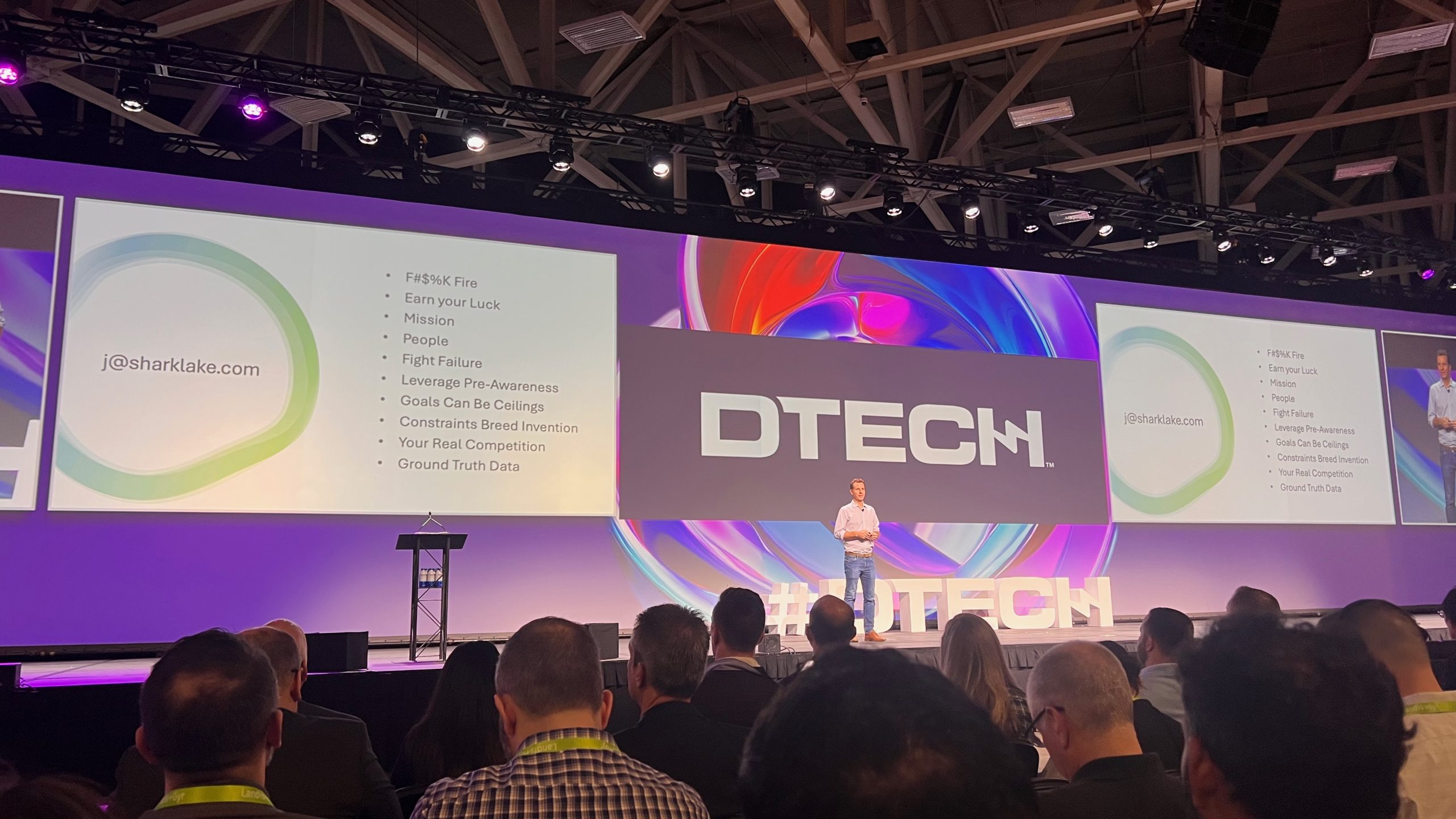 One of the most compelling sessions was the opening day morning keynote by Ring founder and former CEO Jamie Siminoff. The man who made internet doorbells ubiquitous encouraged the 1000s of people in attendance to focus on their mission, storytelling, and customer service and to scale with soul. He shared how every early Ring box was once shipped with his work email printed on it. This radical approach to customer engagement didn’t just collect feedback—it became a force multiplier. Problems that surfaced via email were likely being experienced by thousands more. His direct connection to customers wasn’t a bottleneck but a beacon.
The message? Transparency scales when you empower the right systems and trust your team. More importantly, if you focus on the customer, you always win. Focus on the competition, and you lose. This was a wake-up call for every founder in the room: Your communications strategy shouldn’t be an afterthought. It’s your product’s front line.
Brand and Strategy Reflections
DISTRIBUTECH underscored what many of us already know: our sector has matured, but our messaging hasn’t always kept pace. Too often, companies lean on buzzwords instead of focusing on outcomes. Too many decks look like they’re meant for internal teams, not decision-makers. And too many brands confuse “visibility” with “clarity.”
Here’s what we know works:
- Anchor your story in real-world results: How does your tech reduce costs, increase uptime, or make life easier for a utility?
- Lean into mission—but back it with metrics: Vision is inspiring, but results close deals.
- Design matters: A booth, a swag item, a slide—each is a brand touchpoint. Treat them accordingly.
Final Thoughts
For all the sameness we observed at DISTRIBUTECH, we also saw sparks of greatness—companies willing to be bold, thoughtful, and customer-first. These are the brands that will shape the next decade of grid transformation. At Technica, we’re proud to help those companies tell their stories, refine their messaging, and build the kind of reputations that don’t just earn press—they gain trust.
If you were at DISTRIBUTECH this year, I’d love to hear what stood out. And if you are left wondering how to stand out at your next industry event, our team is always here to help.
Let’s continue the conversation.